Champagne Bucket trips, Latvia, Regent Seven Seas Cruise Lines

A phrase you don’t hear everyday, unless you’re on a prison tour near Liepaja, Latvia…

On the morning of June 28, 2023, Bill and I woke up to our breakfast delivery. We probably should have done breakfast in the suite every day. It was a lot more peaceful than going to the restaurants were. Not only could we enjoy the sea breezes on our balcony, but I could also dispense with putting on a makeup and bra, at least for a short while.

After filling up on breakfast, we got dressed and I put on a layer of makeup. I was kind of excited, for we were finally in Liepaja, Latvia, which was a stop I had been eagerly anticipating. Why? Because that’s where Karosta Prison is, and I had been curious about that place since 2009, when I first read about how the former Soviet military prison had been turned into a B&B for the moderately kinky, which I am.

I’m only half kidding… I seem to remember that in the late aughts, Karosta Prison, which had functioned as a military prison until 1997, had been converted into an entertainment venue for those who were curious about the experience of being incarcerated in a Soviet style prison. Back when I first read about the place in a 2006 Guardian piece, there was a very intense “reality show” available, where paying guests could pretend to be new inmates. They’d be photographed, and then put through their paces by a military “warden”, given a medical check up by a “nurse”, and spend the night in strict silence on thin mattresses in an actual jail cell. Participants had/have to sign a waiver agreeing to the conditions of the prison, realizing that they might be treated badly as part of the program.

In 2023, it looks like the reality experience has been watered down a bit. Now, it’s a three hour experience, although it is still possible to book an overnight at the prison, too, if you call ahead. My guess is that a lot of tourists were either freaked out by the original package, or conditions changed due to COVID. But anyway, even back in 2009, I didn’t think I could take the extreme package that was still being offered then. I much preferred the idea of just a simple tour, then going back to a luxury hotel room. 😉

We had to move out of Germany in 2009, so I never got a chance to plan a land based trip to Liepaja, which is one of Latvia’s largest cities. There was a time when a person had to get special permission to visit Liepaja, owing to the fact that there are many military facilities there. Even to this day, there are military facilities operating in Liepaja, but back in the Soviet years, it was a place where there were a lot of top secret Soviet military operations. So, even though there’s a lovely beach there, and it’s well known for being the source of a lot of Latvian music and musicians, it wasn’t a top tourist spot until after the Soviet Union fell apart.

After another quick visit to the Constellation Theater, where we traded our tour tickets for group numbers, we headed out to the tour buses. Our tour guide, who confessed to being born in 1990 and spoke with a noticeable stammer, did a good job of showing us around.

First, we visited St. Nicholas Naval Cathedral, a Russian Orthodox Church that dates from 1903. We were warned to cover our shoulders and knees, and ladies should have something to cover their heads. No photography is allowed inside. Well… sure enough, there were people on the tour who either didn’t read the instructions, or didn’t care about the request for modest clothing. They showed up in shorts. The information had specifically indicated that men were not allowed to wear shorts in the church. The kind woman who was running the church tour didn’t make anyone cover their legs or cover their heads, as they do in the Wiesbaden Russian Orthodox Church.

We learned that the church was not used for its original purpose during the Soviet years. Russian officers used it as an entertainment venue– for watching movies and working out. Our guide told us that the Russian officers didn’t like the church’s amazing acoustics, because it made watching movies difficult. They closed the interior dome to eliminate the acoustics. Efforts to reopen the dome are ongoing today. After the Soviet Union collapsed, the church was given back to the Latvian Orthodox Church, under the authority of the Russian Orthodox Church.

The inside of the church is beautiful. There is also a little souvenir shop where visitors can buy candles and light them. Bill lit candles for his dad, as he often does when he visits churches. The area surrounding the church is also home to military facilities and some housing.

After we visited the naval cathedral, we went to a beach in Karosta for a quick potty and photo stop. I took some photos of the beach near Karosta, and some of the buildings we passed on the way there.

Then, we made our way to Karosta Prison. I had to laugh when the bus stopped, and with great enthusiasm, he said “Let’s go to the prison!” There’s something you don’t hear everyday!

We didn’t get the “official” Karosta Prison tour. Our guide told us about the prison and used a teenager to demonstrate how the prisoners were forced to march for hours. We also caught some of an official tour, where a guy in a military uniform appeared to be giving visitors a little taste of the prisoner experience.

Karosta Prison, which dates from 1905 and looks it, was not a place for thieves, rapists, or murderers. Rather, it was a place where sailors who were either mutinous or somehow got into trouble– maybe they got drunk or were late to formation or something– were sent for a few days to straighten them out. And it was, indeed, a miserable place. Inmates had two opportunities per day to go to the bathroom, with very tight time limits. They spent their days cleaning, doing exercises, and marching, all in strict silence.

I was glad to visit the prison, although I might have enjoyed a more in depth tour than what we got. Nevertheless, my curiosity is now satisfied. I’ve seen it, and I don’t know that I need another visit there. I got lots of pictures, too.

We loaded up and moved on to Liepaja’s city center, where we visited Liepaja Beach, which was pretty inviting. I miss beaches! Our guide pointed out the skeleton of a structure that was meant to be a Soviet era five star hotel.

We then went to the Seaside Park, a beautiful, leafy area, where there was a sort of musicians “walk of fame”, and a metal tree sculpture called Spoku koks (Tree of Ghosts), where visitors could push a button on a bench and hear the music of one of Latvia’s most famous rock bands, Līvi, which formed in 1976. At night, the tree has special lighting. Around the city, there are also musical notes everywhere in the sidewalks. It reminded me of when we went to Dinant, Belgium, and learned that was the birthplace of Adolphe Sax, the man who invented the saxophone.

On our Riga tour, our guide mentioned that it’s customary to plant a tree whenever one is cut down, and for parents to plant trees for their children. It looks like a lot of people have heeded that custom, as Latvia is very forested. When I lived in Armenia, I saw the devastation of deforestation, as locals cut down trees to keep warm in the winter. I’m sure there are more trees in Armenia now. It didn’t look to me like the Latvians had the same idea about staying warm. However, they did have the familiar Soviet style apartment buildings I’ve seen all over the former Eastern Bloc and Soviet countries. Indeed, I lived in two such apartments myself. It was one of those life experiences worth having once or twice, but not necessarily anything I’d want to repeat. Kind of like when I took a bus from Yerevan to Istanbul for three LONG days… Cool story now, but not something I want to do again.

We visited a lovely Lutheran church, where two women with luminous voices were singing like angels. I wasn’t sure if that was part of the plan, or they were just rehearsing. They sounded wonderful, though. It was peaceful listening to them sing.

Then we went to the Great Amber Concert Hall, where we were able to see a brand new facility for Liepaja’s musicians. It was a welcome stop, not just because it’s an impressive building that highlights amber, one of Latvia’s best known products, but also because it also offered a place to pee. Below, you can see the amber color from the inside.

While we were visiting the concert hall, the weather suddenly changed. Blue skies were replaced with clouds. After we got on the bus, the skies opened up, and there was torrential rain! We watched one guy somehow miraculously avoid getting soaked while standing under trees. However, after a short time, the rain finally found him and he had to move to a safer spot.

That brief rainstorm was really the only bad weather we had all week. We were very blessed with mostly sunny and pleasant days. I understand the current passengers have not been as lucky.

Bill and I went to La Veranda and had lunch, then went back to our room to get cleaned up. Our dinner was to be in the Pacific Rim Asian restaurant, which appeared to me to be the most popular of Regent’s eateries. Below are some photos from that, as well as a couple of pictures of the “designer” cocktails offered in the Meridian Lounge on Deck 5. We didn’t discover that bar until well into the cruise, which. is a real pity.

The cocktails in the Meridian Lounge are not offered anywhere else on board, and they’re really interesting, although a couple of them are insanely expensive to order (like over $25). Our concierge status would get us a slight discount, but not enough to justify the expense. One drink was over $40. I also liked the art deco/jazzy vibe in there. If we ever sail on Splendor again, we’ll have to visit that bar more often. It was better than the Splendor Lounge and the Observation Lounge.

And another batch of photos from the lounge and dinner… I tried edamame for the first time. We met another German couple in Pacific Rim– folks who live in Dusseldorf, and have tried a lot more luxury lines than we have. They seemed to be enjoying Regent very much, and we surprised them when we told them we live in Germany.

Our waitress was a very pretty young blonde woman with striking green eyes. She said that if she could cook like they do in Pacific Rim, she’d be already married. Bill noticed that she spoke German, and understood that she came from Ukraine. I think a lot of people don’t realize just how smart and accomplished many people in the service industry are. Everyone from the wait staff to the housekeepers to the guides were multi-lingual and practiced with dealing with difficult people. They definitely deserve more respect than a lot of people are willing to give them.

It was a good day… to be followed by over very last full day on the ship. More on that in the next post. For now, I’ve got to stop blogging and make Bill’s birthday cake!

Standard
Champagne Bucket trips, Latvia, Regent Seven Seas Cruise Lines

Riga, Latvia… a place I will need to see more of someday…

Monday, June 26th, we had plans to call on Riga, Latvia. Bill had been there a couple of times before, back when we were living in Germany the first time. That would have been in 2008, or thereabouts. Things have changed a bit since then. As for me, I had never been to Latvia, although I had been wanting to go. I was curious about Riga. Bill said it was a beautiful city. Unfortunately, I didn’t get to see very much of it, because of the “free” excursion I chose that day.

Actually, I’m not sorry we went on that excursion, as it was very interesting and we saw some beautiful countryside in Latvia. But, we didn’t have much time to explore Riga, as the excursion took over five hours. It was the longest of all of the ones we experienced last week. Turaida and Sigulda are two castles that are located about an hour outside of Riga.

The plan was to drive to Sigulda Castle and visit the renovated ruins, visit Kropotkin Manor House, see Gutmana Cave, and visit the Turaida Castle and sculpture park. At the end of the tour, we’d have a brief stop at Riga’s Town Hall square for photos, then drive back to the port.

One critical mistake that Bill and I made was not having lunch before we left the ship. The tour began around lunchtime. We weren’t that hungry when we left, and figured there would be a stop for something, given how long the tour was. We were wrong. There was a cafe near the Sigulda Castle ruins, but we didn’t have a lot of time to visit it. One thing we learned on that trip is that Regent will put a plate and silverware icon on trips where there is food involved. That trip didn’t have that particular icon in its description. Actually, now that I’m looking at it, they didn’t use that icon on our Tallinn tour, either, even though that one did include lunch and beer.

Fortunately, at Sigulda Castle, there were also vending machines, so we were able to get some snacks before we went back to Riga. It really was a good thing, because I got very irritable at the end of our visit to Sigulda Castle. Bill… bless him… knows this is an issue of mine. I get “hangry”. I usually try to carry some candy or something with me for emergencies. It usually happens kind of suddenly, and I’m fine once I have something to bring up my blood sugar.

I enjoyed the Turaida and Sigulda trip, in spite of my “hangry-ness”, for a few reasons. Once again, our guide, named the Latvian version of Eva, talked a bit about the Soviet era and the Latvian attitudes about being in the Soviet Union. Here’s a hint. Most people didn’t like that time and wouldn’t go back to it! We also passed Riga’s KGB Museum (the Corner House), which Eva told us was a good thing that came out of a building where there was once a lot of tragedy and sadness. If we ever get back to Riga, I am going to try to go there.

But I also enjoyed our excursion because I liked visiting Latvia’s largest cave… which isn’t so very large. As you will see in my photos, Gutmana Cave is covered with carvings done hundreds of years ago. It’s also got a stream running through it that, legend has it, bestows eternal youth and good health on those who drink or bathe in its waters. I didn’t drink the water… I already had a cold, and have also known the hell of having a stomach bug on a cruise ship. But I did rinse my hands in the cold water.

Below are some photos of our trip through Riga, and Sigulda Castle… You can see some of the art deco buildings that managed to survive the Soviet era.

As for the castles, they were interesting to look at, but we didn’t have that much time for exploring. And, to be honest, by the time we got to the ruins, I was really tired. It’s tiring listening to someone talk, and actively paying attention to what they say. We also did a fair amount of walking, and by the time the tour was ending, I was super hungry and cranky. However, I did enjoy hearing about the legend of Turaida Rose. Click here for more information on that.

Here are some more photos from our excursion, mainly of Gutmana Cave, and a very old country church…

We walked back to the entrance of the huge park and I dug into my purse for the many euro coins I was carrying for this occasion. I got a leaded Coke, some sparkling water, and a package of a Latvian snack product called Long Chips. This snack, which is kind of the Latvian version of Pringles, comes in several flavors. In the vending machine, they only had the cheese and mashed potato varieties. We got one package of each, and after I’d had a few chips, I felt a lot better.

Interestingly enough, I just read that Long Chips are actually a relic of Latvia’s Soviet era, having been first made in 1986. The company that made them, once owned by the Soviet government, was eventually purchased by a private company in 1992, and is now available in 25 countries. They sure were a lifesaver last week!

I enjoyed seeing what little I did of Riga’s town hall, especially since there was a man with a beautiful baritone voice singing there. He was singing arias very well, and when I dropped a couple of euros in his hat, he bowed graciously and thanked me in English. I took a lot of photos and recorded a little of his performance, but mostly I sat on a bench and enjoyed listening to him sing. I found it inspiring.

A lovely singer…
Town Hall doesn’t suck, either.

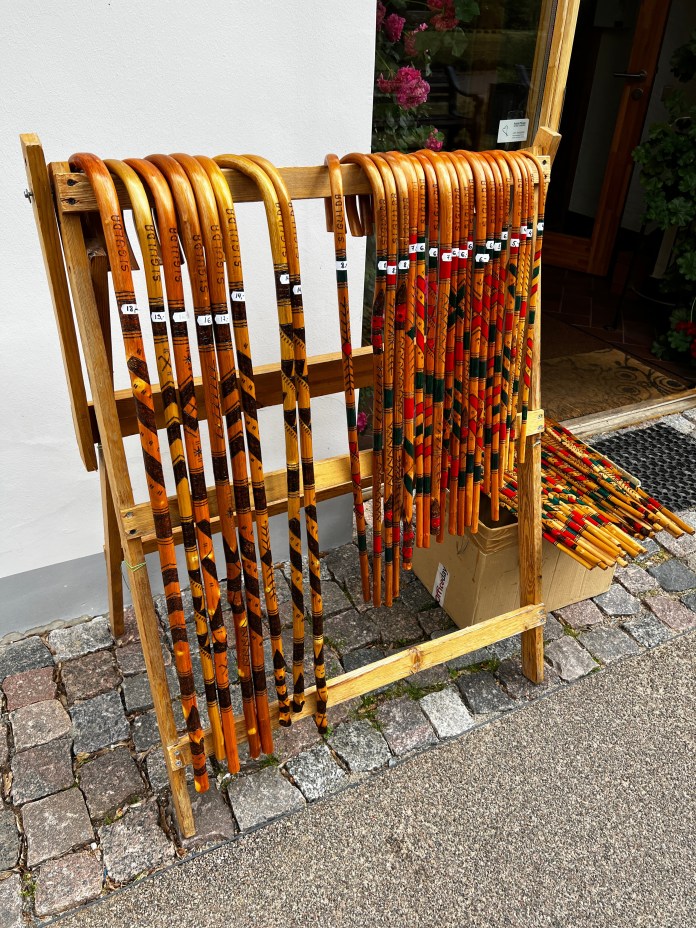
I also liked that excursion because it included some good shopping, especially at Sigulda. I bought some beautiful silver earrings from a designer there, as well as a wallet for me, and a new leather bound notebook for Bill, and a walking stick for Bill’s granddaughter. Prices were very reasonable. And, I also loved the Latvian folk music playing where I bought my earrings, so I downloaded that, too.

When we got back to the ship that afternoon, I realized that it was karaoke night in the Splendor lounge. I usually love karaoke, although I was a little skeptical of how good it would be on Regent Splendor. SeaDream had karaoke on one of our cruises and it was honestly the worst karaoke show I’d ever attended. But, in spite of that, I sang a few songs and met my friend Meryl and her parents, who have now sadly passed on to the great beyond. Meryl is in the music business. In fact, she and her husband work with a major rock star. She asked me if I was in the music business! So it wasn’t a total loss. Meryl and I are still friends today.

The other thing that gave me pause is that karaoke started very late at night and only ran for about 90 minutes, which didn’t seem long enough. And I was also dealing with the remnants of my cold, and my voice was, frankly, a bit fucked.

In any case, Bill and I got dressed up and went to dinner in the Compass Rose. Unfortunately, dinner was a bit of a disappointment. I decided to have scallops, which were billed as a main course. But my dish only had three scallops on the plate, and it wasn’t really enough to satisfy me, even with the roasted quail starter I had. Dessert, too, was a bit of a disappointment. I had rum cake that was much too sweet, and lacked a promised scoop of Tahitian vanilla ice cream.

Yes, I know I could have and should have complained, and/or ordered more food. But everyone seemed so harried, and I was still feeling kind of crabby after our excursion. So we just beat it out of the dining room and went back to the Splendor Lounge, where Aldo and Dimas were playing music. We were the only ones in there at first, but Ger and Gail soon joined us, having decided to abandon the show in the theater. Bill and I never did make it to a show, so I can’t comment on the quality of the productions on Regent Splendor. But Gail and Ger said they weren’t impressed. During that time, I also learned how to use the “jukebox” in the Splendor Lounge.

After a little while, some teenagers showed up in the bar, obviously wanting to do karaoke. It got very busy, and Gail and Ger very abruptly beat a retreat when the place filled up. We probably should have done the same thing! I did get to sing a song. I chose “When You Say Nothing At All”, by Alison Krauss. To be honest, I think the only reason I chose that song was because I usually do it in the piano bar on SeaDream and I know it pretty well. Unfortunately, due to my cold, my voice wasn’t quite 100 percent, and I botched the high notes.

There were some really good performers, though… people with genuine talent. One guy sang a dead on rendition of “Valerie” by Amy Winehouse. Another guy did a hilarious version of “America” by Neil Diamond. Bill and I stayed for most of it, but left about a half an hour before karaoke ended. It was way past our bedtimes! I don’t think the teens ever did get up to sing. They might have been overwhelmed by the size of the crowd. There were a lot of singers, which is why I think karaoke should have been longer. I also didn’t like that it was run by theater people. It needs a real host. But that’s just my cranky opinion as a karaoke snob. Actually, I think I might prefer a piano bar, which Regent doesn’t have.

I was troubled enough by my own performance that on Monday, I decided to record my version of “When You Say Nothing At All”. It turned out great, if I do say so myself. Or, at least I didn’t mess up the high notes. Being healthy again is a good thing!

I wanted to dedicate this to Bill on Regent Splendor, but I’ll just have to do it on YouTube…

I did also get some photos of the top decks on Regent. Below are some pictures I took. It was the one day we ventured up there… These photos are all from the top of the ship. You can play tennis, mini golf, bocci, or shuffleboard.

One last thing. When we got back to our stateroom on Tuesday night, we found the door standing wide open. No harm was done, but we don’t know how long the door was left open. It seemed like a pretty serious slip in service. We did speak to the steward about it, and it never happened again during our sailing.

Standard
Champagne Bucket trips, Regent Seven Seas Cruise Lines

A warm welcome back to Tallinn, Estonia!

In June 2009, Bill and I visited Tallinn, Estonia for the first time, as Vision of the Seas pulled up to the rather primitive looking harbor. I remember getting off the ship and being serenaded by a local brass band. Royal Caribbean had local bands playing at each stop, which I thought was really cool. In fact, I even recorded some of their performance and put it on YouTube. Check it out!

This was a nice welcome to Estonia in 2009.

On June 25th, 2023, we were back in Estonia, having signed up for a “free” beer tasting excursion, courtesy of Regent Seven Seas. I immediately noticed, as we pulled in, that the port looked a lot more developed than it had in 2009. There was a large cruise terminal that I don’t remember being there when we visited 14 years ago. I also noticed what appeared to be an AIDA ship in port. It was unusually rusty. I didn’t think much of it, though, as we made our way from the Constellation Theater to the tour bus.

Our excursion was in the morning. I had a tough time choosing which trip I wanted to do. They were also offering a tour to a local museum dedicated to Estonia’s Soviet years. Since I spent two years living in Armenia, another former Soviet republic, just after the fall of the Soviet Union, I am especially interested in the history. But I needn’t have worried. We met our hilarious guide, Raul, who seemed to effortlessly channel the late comic Robin Williams as he delivered witty one liners and told us about Estonia. He added a fair amount of commentary about the Soviet years, making it very clear that the Estonians were delighted to be rid of that regime, even though the ensuing years after the Soviet Union fell apart were quite difficult.

When we visited Tallinn the first time, Bill and I walked from the port to the old town. It’s not that far as the crow flies. However, since 2009, there’s been a whole lot of construction. I think the walk today, while technically possible, would be more dangerous, due to all the traffic.

Raul explained that Estonia doesn’t have many inhabitants and, in fact, the COVID crisis was probably not so bad for their society, since they naturally “social distance”. He said that large families are not very common, and that their population is aging.

We started our tour in the “upper town”, which is different from how Bill and I did our self-guided tour in 2009. In fact, the one thing that disappointed me about Raul’s tour is that we missed the entrance to the old town, where “Fat Margaret” is. This tower, which dates from the early 16th century, is now home to the Estonian Maritime Museum. I remember taking some good pictures in that part of town. I also got a video of some Hare Krishnas!

Hare Krishnas in Tallinn, back in 2009…

And here are some of the more interesting photos I took in 2009…

But Raul did hit the highlights, including the beautiful Russian Orthodox church, the Alexander Nevsky Cathedral. I distinctly remember that when we visited in 2009, it was a Sunday, and there were many women with scarves on their heads in the church. I remember the heavy smell of incense and old ladies standing outside the church collecting donations from men.

It was Sunday when we visited this time, too, and we were reminded not to take pictures inside the cathedral. Those who did try to sneak pictures were quickly spotted and reprimanded, as a service was going on when we visited.

We also visited a Lutheran church, just before a service was to begin. Raul was talking when the organist erupted into a rendition of “Amazing Grace”. It was actually very beautiful. I left the church with tears in my eyes.

The organist played beautifully!

We had a chance to view the lower part of the town from a picturesque spot in the upper part, where we got some photos and shopped for souvenirs. We picked up a new beer stein for our collection.

After our potty and shopping stop, we went to the lower part of town, where we stopped by a chocolatier and bought some chocolate. I still haven’t opened the box to see if they’re any good. A lovely young lady was playing a key harp (Nyckelharpa)– an instrument from Sweden that looks like a combination of a violin and a keyboard. I dropped a couple of euros in her hat, because I have a soft spot for buskers. She played well, and her music added to the atmosphere.

At the end of the tour, we went to a restaurant to taste local beers and eat fresh local sausages. It was at this point that Bill and I met Lynn and Ron, a very nice couple from Dundee, Scotland. The beer tasting was a treat for me, since I liked the three beers that were offered. Not everyone did. Especially the delicious cherry beer! No one discussed the beers or even mentioned who made them. They were simply served with the sausages.

As we made our way back to the bus, I thought to myself that we really do need to come back to Tallinn and spend a couple of days in the city, then maybe venture out to the countryside. Maybe after the train is ready, we can do that. Tallinn by itself is a really cool city– literally and figuratively. But I think the country as a whole is interesting, as I watched a great documentary years ago about Estonia called The Singing Revolution. I happen to own this film and found it fascinating.

A trailer for The Singing Revolution.

Raul did a great job of telling us about Tallinn and showing us the sights. I was sorry to be leaving Tallinn, as it really is such a neat city, with so much color and personality! The beer is pretty good, too!

The ship was going to be leaving Estonia in the early afternoon, as our next port was Riga, Latvia, which is quite a distance when you’re in transportation that moves as slowly as a cruise ship does. So, we sadly bid farewell to Estonia that afternoon. As Bill and I watched the skyline disappear, I looked up the rusty looking AIDA vessel that was sitting in the harbor and learned that it was a ship that was sold to new owners and is now flagged in Liberia. But it’s been sitting abandoned in Tallin’s port since November 2021. Another AIDA ship was also sitting in the port for over a year, but finally left.

We decided to enjoy the afternoon on our balcony, drinking some of the beers brought by the steward the night before. Unfortunately, they weren’t very cold. I think it’s because when no one is in the staterooms, the power is completely shut off. Anything plugged in is unplugged, and you have to use a card to get the lights to work. But it was still a pleasant afternoon’s cruise. We were blessed with nice weather, which I understand is not the case for those who are cruising this week!

After awhile, we decided to visit the Splendor Lounge on Deck 4, then have dinner in the Compass Rose restaurant. Aldo and Dimas– a singer and pianist– were there performing, playing slow hits from the 70s. I commented to Bill that I thought the playlist was a little depressing. Nevertheless, we enjoyed their performance, and then met another couple from Germany, who actually live near Wiesbaden and know Breckenheim (our village), because they go to a restaurant there.

George and Claudia were interesting to talk to. Claudia spoke some English, but was delighted when Bill spoke some German. I think she was very happy to talk to someone besides George, who was in a wheelchair and appeared to be profoundly physically disabled. I had first noticed them in the dining room. Claudia said that she and George had traveled all over the place together, and she loved America, because there was so much consideration for people in wheelchairs. For instance, in Germany, a lot of facilities have toilets upstairs or downstairs, making it hard for physically disabled people to access them. But in the United States, most modern buildings have ramps, wide doors, and wheelchair accessible bathrooms. I noticed that Regent Splendor, more than any other ship I’ve ever been on, also catered a lot to people in wheelchairs.

Claudia did not let George’s disability slow her down. She got up and danced, holding George’s hand as she sashayed to the music. She said she loved American rock n’ roll, especially Elvis Presley. And she reminded us that Elvis spent time in the Frankfurt/Wiesbaden area, back when he was in the Army. We will have to visit where he once lived!

Taken on June 24th, just before the lounge opened.

After we had dinner in the Compass Rose, we came back to the Splendor Lounge, where Aldo and Dimas had picked up the tempo considerably. More people joined us and there was soon much singing and dancing. It was a nice way to end a great day!

Bill and his cheese!

A little singing and dancing in the Splendor Lounge!

Standard
Finland, Latvia, Regent Seven Seas Cruise Lines

The big decision has now been made… (cross-posted)

Again, cross-posted on the main blog… The featured photo was taken on the car ferry from Denmark to Germany, back in 2019.

Yesterday, I wrote about my apprehension about booking a cruise. I termed it a “true first world problem.” Aye– as my Scottish ancestors would say– that it is. Twenty-four hours ago, as I was pondering whether or not I wanted to spend big bucks on a luxury cruise in the Baltic region, I started looking for alternatives.

A friend of mine had suggested touring the Norwegian fjords on Hurtigruten, which is, of course, a perfectly good suggestion. However, if I had decided to go for the fjords, that would have completely negated using the champagne bucket to choose where to go. The Norwegian fjords are a place I’d love to see the right way, and a cruise is probably the right way to go. But it wasn’t one of the choices for this particular trip. Moreover, I never asked for alternative suggestions.

I still decided to look into the Norwegian fjords experience and found that besides Hurtigruten, there’s another line that does cruises along the fjords. Maybe at some point we’ll pull the trigger on that. I did look into short cruises in Norway for the days we’ll be there, but they aren’t very convenient to our plans.

After a short while, I stopped researching travel possibilities, and turned my attention to my guitar, which badly needed new strings. I don’t play it so often that I routinely change the strings. But, it had gotten to the point at which I had forgotten when I had last changed them. The old ones were starting to get discolored, and weren’t staying tuned well. So, as much as I hate changing the strings, but love the results of changing them, once they stretch, I knew it was a job that urgently needed doing. I had just put one string on when my phone rang.

It was someone from Regent Seven Seas Cruises calling. I felt confident in answering, since I knew Bill was already agreeable to my booking the cruise, once we confirmed the correct price. The cruise specialist, whose name is Andrea, is from Germany. She thought I was German too, and was speaking German to me, even though I had made contact in English. I didn’t realize it, but the voicemail on my phone is in German… No one ever calls me, so I didn’t know. I thought the call was coming from Germany, but actually, it was a U.S. based call that somehow looked like it came from Germany.

Andrea and I got to talking, and it turns out she lives in Florida, which is where Regent is based. She’s been there since 1991. I always find myself bonding with Germans in the U.S., since I’m an American in Germany. As we discussed the cruise, we talked about how we ended up in each other’s countries. In many ways, Germany is kind of like the U.S., but I find that the U.K. feels more like home to me than Germany does, even though people drive on the other side of the road and kids wear uniforms to school.

Andrea said that my request went to her, because I am in Germany. She handles all clients from Belgium, the Netherlands, Switzerland, Austria, and Germany, even though she’s based in Florida. It was still very early in the morning where she lives when we were talking– maybe 5:30AM! Nevertheless, she was wide awake and friendly. I guess she’s a morning person like Bill is. All of our documents are in German. Andrea says there’s nothing she can do about that, since I’m in Germany. Google Chrome will save us, I’m sure…

It didn’t take long for Andrea to sell me on Regent. I put down a deposit on the cruise. I would have just paid for the whole thing, since the cruise is coming up in June, but I used my credit card with a lower limit, and the whole cruise costs more than the limit is. I used that card rather than the other one, because I knew it was less likely to get declined for “suspicious activity”. Both of my cards usually have zero balances. I rarely use them because it took me forever to pay them off when we were less affluent. The deposit didn’t raise any red flags, which made me feel confident about using my card (mistake).

Bill got home later and I proposed booking the flights. I was thinking of flying into Stavanger or Bergen, since we had never been to either of those beautiful towns, and we have been to Oslo. But it turned out there weren’t any flights that worked with boarding Noyzi and didn’t cost an arm and a leg. Like… there was an attractive flight that would have worked, except it left at 10:30AM, and that wasn’t enough time to get Noyzi to the Hundepension and get ourselves checked in at the airport. So, Oslo it is…

I had no idea that Norway’s cities were so far apart. Stavanger looks like it’s not that far from Oslo, but it’s a seven or eight hour car ride or train trip. Bergen, likewise, is hours away by car or train. There are cheap flights available, and we may decide to avail ourselves of one, just so we can get a feel for a city other than Oslo. But, we did also enjoy visiting Oslo when we were there in 2009, and that was at a time when we had a lot less money.

Oslo is also closer to Stockholm, which is where we will be meeting the ship. We haven’t seen anything in Stockholm except the cruise port, which is where our first Baltic cruise in 2009 ended. It was a four night “short break” on Royal Caribbean, and we started in Oslo and stopped in Tallin and Copenhagen, then ended in Stockholm. We couldn’t enjoy the city, because Bill had a conference in Garmisch-Partenkirchen the next day. So, we hopped a plane to Munich. I spent the next week taking tours out of the Edelweiss MWR Lodge while Bill tended to his Army duties. We had flown to Oslo from Munich, and when we got back to the parking garage, the car battery was dead, necessitating a call to ADAC. Plus, our bags didn’t make the flight, and had to be brought to us in Garmisch.

This time, we will end in Copenhagen, a city we’ve been to twice, but haven’t had much of a chance to really enjoy. The first time, it was on that short cruise, that only allowed a few hours in town. The second time was in 2019, when we were passing through on our way home with our new car and stopped for a night of rest as we continued onward to Rostock, Germany. This trip will at least give us a full day to enjoy Denmark. We’ll spend a couple of nights there before coming home on July 2.

So, off I went to Lufthansa to book our flights, after confirming with Bill which ones we wanted. I input all of the information, then tried to use my trusty credit card to pay. Sure enough, it was declined. I called up PenFed and explained that I was trying to book my vacation. I should have probably asked them to raise the limit on that card, too. Maybe next time I call…

The tickets are now booked. All I have to do now is decide on hotels in Norway and Denmark and maybe book transportation to Stockholm. A flight from Oslo takes an hour, but a train is much more scenic and is about five hours of fun. 😉 Oh… and I also need to choose excursions and restaurant reservations for the cruise, since they are included in the fare.

It’s hard to believe, just a few days ago, I was agonizing over all of this. It’s all coming together now, like magic. I wasn’t planning to do a cruise, but this may turn out to be a bit of a Godsend. If it turns out we really love any of the places we see, we can come back and do a land based tour, as I originally planned. They are now building a railway in the Baltics that will make it a lot easier to travel there. And I do want to go and spend more than a few hours. We already know we like Tallinn from our 2009 trip, and Bill enjoyed Riga when he went.

I know… first world problem, and maybe I should be ashamed of myself for writing about it. But, at least this isn’t a cranky complaint post about politics or similarly unpleasant topics.

For those who are curious, here’s a video highlighting the ship we’re going to be on. Yes, it’s expensive, but it’s not like you don’t get a lot for the money. This is also not our usual style. We normally prefer much smaller ships, and that generally means the ships we’re on are usually much older. Splendor was built in 2020. Hebridean Princess, by contrast, was built in 1964 as a car ferry and later became a cruise ship in 1989. SeaDream I was built in 1984. I think Vision of the Seas is 1998 vintage, and I’m not even sure if it’s still in service.

A new experience for us… revisiting the region where we had our very first cruise. This time, we’re taking more time and spending way more money!
We booked a Concierge Suite.

Again, I chose this entirely for the itinerary, and the fact that it’s an all inclusive cruise. I’m not a Regent cheerleader, and I’m not sure we’ll give up small ships for this. But then again, maybe we will. We won’t know until we actually have the experience. At least now, I’ll have something new to write about on the travel blog!

By the way… I was very impressed by Andrea. I hope she’s a representative of most of the people who work for Regent. She seems pretty awesome… but then, maybe it’s because Germans demand it. 😀

Standard
Baden-Württemberg, former Soviet Union

Mixing it up at Mix-Markt– your source for products from the former Soviet Union and eastern Europe!

Recently, one of my husband’s colleagues told him about a grocery chain called Mix-Markt.  Mix Markt specializes in foods, wines, beers, and spirits from the former Soviet Union and eastern European countries like Poland and Romania.  Bill’s co-worker knows how much we like Georgian wines and Armenian brandies, so he hooked up Bill with a link and an idea for today’s excursion.

There are 297 stores all over Europe, though the chain was founded in 1997 in Örlinghausen, district Lippe in North-Rhine Westphalia.  Locally, Mix-Markt has outlets in Böblingen, Stuttgart, Tamm, Reutlingen, and Nagold.  We live very close to Nagold, but decided to visit the Böblingen store because we figured it would be more convenient to most of my regular readers in the Stuttgart area.  We were also hoping to try a new restaurant for lunch.  Below are some pictures from our little field trip.

The Mix Markt is in a rather busy area of town.  Right next to it is a Turkish market that we didn’t explore.  The Mix Markt has a lot of Turkish products, anyway.  Parking is a bit scarce in the area and the store is in what looks like a weird German incarnation of a strip mall, only instead of it being a strip, it’s more like a doughnut… shops in a circle with a small courtyard in the middle.

Impressive selection of beers from Russia, Poland, Ukraine, and Pilsner Urquell from the Czech Republic.  Sadly, I didn’t see any Kotayk, which is an Armenian beer.  But we came for wine and wine we found!

Mix Markt has a lot of Georgian wines, which are uniformly excellent!

And they also have Armenian brandies, although none by Ararat, which is probably the most popular Armenian brandy.

They even had Polish bison grass vodka, although I don’t think this is the stuff you can get in Poland, which actually has a blade of grass in it.  Many places, including the United States, don’t allow authentic bison grass vodka because the grass contains trace amounts of warfarin, which is a blood thinner.  This vodka was probably artificially flavored.

Armenian brandy can be purchased in fancy bottles.  You’d see these in Armenia, too.  They make interesting gifts.

Ukrainian Sekt.  I haven’t tried this, but I do remember Russian bubbly to be very sweet and cloying.  I doubt I’d enjoy this… but I might try it sometime.

Russian candy!  You can mix your own!  I never got into Russian chocolate when I lived in Armenia because I preferred the occasionally smuggled German chocolate.  But there must be Russians in Germany who miss it very much.  It smelled delicious.

Want some fish?  Mix Markt has you covered with lots of salmon and smoked fish.  You can also buy meats and sausages there.

And there’s even Uzbek canned meat called Plow.

Sausages galore, from all over…  Next to this case is one full of pretty cakes.

And there’s also Russian pop music for your collection.

There’s an entire aisle devoted to sunflower seeds, which are a very popular snack in former Soviet countries.

You can even get glass AK-47s full of booze– Polish vodka or Armenian brandy!  This might make a fun white elephant gift for your next Christmas party.

I found this candy bizarre…  It appears to be a gummy type confection, but it’s supposed to look like burgers.  Weird concept.  Who wants to eat a gummy candy that tastes like a cheeseburger?  I’m sure these are actually fruity… but maybe burgers are more fun than fruits are.  Reminded me of Bubble Burgers from the late 70s.


This wasn’t in the Mix Markt– I just remember these from when I was a kid.  Bubble Burgers were bubble gum “burgers” that came in little plastic cases.  I don’t think I ever tried one, but they probably didn’t taste like burgers, either.

They even had melons from Uzbekistan…

And brochures about trips to Russia.

This is just across the breezeway, if you’re wanting more Turkish choices.


After we picked up our haul, we headed to downtown Böblingen, parked at the Marktplatz, and had lunch at the Seegärtle Restaurant-Cafe-Bar.  This eatery overlooks the manmade lake in Böblingen.  It has a nice Biergarten, which was open today, but we decided to eat inside because it was a little chilly outside.

Bill looks at the menu, which mostly consists of burgers and sandwiches.  They also have soup, salad, and a few Swabian specialties.

There’s a bar and they played VH1 Classic videos, which I really enjoyed.  I’d rather see that than football.

I had a pastrami sandwich.  It was pretty good, with its pastrami, cheese, kraut, lettuce and “special sauce”.  I was full after half, though, since this also came with some excellent fries.

Bill had a cheeseburger.  It was supposed to be made with 100% beef, but he said it was “gemischtes”, meaning it was beef mixed with pork.  I was glad I didn’t order the burger, although he said it tasted fine.

The fries were the bomb, though.  Service was fast and friendly, too.  Total bill was 32 euros.

Outside…  

If it had been slightly warmer, we would have enjoyed outside dining.  I was liking the 80s era videos, though… at least until Kiss played.  Gene Simmons and his flickering tongue aren’t exactly appetizing.

As we were headed back to the car, we passed this Croatian “Feinkost”.  It’s maybe two doors from the restaurant.

We went inside and bought three more bottles of wine, this time from Croatia.  They had some interesting liqueurs, too.

This is the rest of the store.  There’s not much to it, but the lady who rang us up was super friendly.  I was glad to give her business.  They also had Croatian football fan gear.

This was today’s haul.  Lots of wine, some brandy, juice, and some mustard from Russia…

I can’t wait to see Bill try this.  I have a feeling it’s going to blow his brains out.  I once gave my Armenian neighbors quite a laugh when I tried Russian mustard for the first time.  It’s extremely hot stuff that will clear out your sinuses.


I’m looking forward to seeing the Nagold Mix Markt.  There’s also one located in our new location of Wiesbaden, so we should be well set with Georgian wine when we move north.  If you live in Europe and want a little something different, you should drop by Mix Markt for a visit.  You might find some new treats!


Standard
Baden-Württemberg

Russian lunch at Veranda Restaurant in Holzgerlingen…

This morning, Bill was occupied bottling his latest homebrew, while I was occupied by a nap and a nightmare.  When I woke up, it was early afternoon and there were a lot of clouds in the sky.  Bill asked me what I wanted to do today.  I took a look at the clouds and decided today was the day to try Veranda Restaurant in Holzgerlingen.

The sign out front.  On Sundays, there’s plenty of parking.

Although today was the first time we’d ever tried this restaurant, we have actually eaten in the venue before.  In May 2016, Bill and I went there when it was called Ocean’s First.  It was a seafood restaurant in those days and boasted a very nice looking terrace.  Since it’s on the third floor of an office building, it has kind of a nice view of a rather industrial part of Holzgerlingen.  Ocean’s First abruptly ceased operations a few months after our visit, though, much to our chagrin.  We really enjoyed our one dinner there.

A few months ago, my German friend Susanne alerted me to the restaurant’s new incarnation.  Veranda Restaurant specializes in Russian cuisine…  Well, if I’m honest, it’s more like cuisines of the former Soviet Union.  There are Russian, Ukranian, Georgian, and even Uzbek specialties on the menu.  During the workweek, it appears that they also offer some choices that are more for German businesspeople.  I checked their Facebook and noticed that they are open on Sundays from 11:00am until 10:00pm.  Since it was getting a little late for lunch, I suggested that we visit.

Come on in!

We arrived at the restaurant at about 2:30pm or so.  There were a few folks there, including one guy who used to work in Bill’s office, but was later moved.  It was a little awkward when we first walked in.  A young lady was sitting by a computer and seemed surprised to see us.  Then an older lady who didn’t speak any English came out of the kitchen.  They both encouraged us to get the brunch buffet, which runs 23 euros and is all you can eat, complete with drinks.  But I looked at what was on the tables and decided I’d rather order off the menu.

The older lady seemed a little concerned at that, although it was permissible.  I think she was worried we wouldn’t understand the menu, although they had one in English.  Then she handed us the barbecue menu, which is offered at certain times during the week (after 2:00pm on Sundays and after 5:00pm on weekdays).  I said, “Shashlik!” and her eyes lit up.  She asked if I speak Russian.  I don’t… only a few words, mostly consisting of curse words I learned in Armenia.  I learned Armenian in Armenia, which even seemed to confuse Armenians, who wondered why I’d learn Armenian when Russian is so much more portable.  But I do know a few words of Russian… and it turned out that made a difference.

So we sat down inside, only because it looked like it might rain.  I probably would have preferred to sit outside, since they were playing manic electro dance music in English that lent little to the ambiance.  If it had been Russian dance music, maybe it would have been slightly more authentic.

Bill makes a decision… the menu is quite extensive, with all kinds of choices.  They had everything from Russian to Uzbek specialties.


I’m always a little nervous about new restaurants, especially when there are a lot of selections on the menu that include the dreaded mushroom.  I figured I was pretty safe with pork BBQ (shashlik), which came with lavash (flatbread, kind of like very thin tortilla) and raw onions.  I got a side of shashlik sauce to go with it (extra charge of two euros).  Bill went with a Georgian chicken dish that came with a spicy pepper sauce.  He also got a side of roasted potatoes, which we shared.

We also split a bottle of Spanish red wine and sparkling water.  I was a little surprised that they didn’t have any Georgian or Armenian wines on the menu, but then they can be kind of hard to get and probably wouldn’t sell that well anyway.  People in the west are only now learning how good Caucasian wines are.  Because Bill was chatting with his former co-worker, the proprietor had me try the wine.  She lit up when I said, “Spasiba” (Russian for “thank you”).

It took awhile for lunch to be ready, but it was well worth the wait…

This was a complimentary “amuse”.  Basically like a very fancy style tuna salad, with potatoes, carrots, peppers, fish, eggs, and a very light application of mayonnaise.  It was very good, albeit a little filling.  

While we waited for our main courses, Bill and I discussed a possible trip to Armenia soon.  A friend of mine has been visiting this week and has me all excited about how much Yerevan has changed since I lived there from 1995-97.  My former Peace Corps student is now a director at Peace Corps Armenia and my very first Armenian teacher is now in charge of language training for the new Volunteers.  Naturally, I want to go back and see them, but I also want to see how much Yerevan has changed… and maybe show Bill where I spent two difficult but worthwhile years in my youth.  Maybe we will be able to go in October.  We’ll see.

Bill’s delicious Georgian chicken… it was perfectly roasted, very moist, and so different!  And the sauce that came with it was delightful!  The roasted potatoes were extra, but worth the addition, especially since we shared them.  

My shashlik… I saw the chef take the pork out on the veranda to grill it.  It was plenty of pork, perfectly cooked and juicy.  If I’d wanted to, I could have ordered pork with vegetables, barbecued chicken, lamb or beef.  They also had barbecued vegetables.


There were a few tempting looking desserts on the menu, but I was too full to consider them.  Also, by the time we finished eating, we were the only ones left in the restaurant.  Our total bill came to about 62 euros before the tip, but one can certainly get in and out of there for significantly less money.  Prices are very reasonable.  I do hope more people discover this gem in Holzgerlingen.  The food is good; the service is attentive and warm; and it’s such a nice change from Greek, Italian, and German food.

I think Veranda might have a better chance at staying in business than Ocean’s First did, mainly because Ocean’s First was selling fish and didn’t have freezers; therefore they depended on what could be delivered locally.  The food was very good–especially the huge lobster I had there– but I think it didn’t offer enough different stuff to attract people from all over and business was too slow.  Veranda is truly different because it’s Russian/ former Soviet Union food.  That makes it unique and, perhaps, gives it more of a chance at long term success.

If you’re looking for a change and don’t mind a drive to Holzgerlingen, I would highly recommend Veranda.  And if you speak a little Russian, you will score points!  The proprietor lit up again as I said “Do svidaniya!” on the way out.  I may have to add to my vocabulary besides Russian cuss words.  Incidentally, the young lady we saw behind the computer waited on us and spoke some English, so really, language should not be a barrier!  I just think maybe that restaurant doesn’t get a lot of Americans… yet.

Standard
Eastern Europe

Cheap thrills in the Czech Republic! Part three

Saturday morning, we woke up bright and early.  Bill went hunting for a bakery and didn’t find one.  He did find a small mom and pop shop, though, where he found some rolls that kind of resembled hot dog buns (but tasted much better).  He had scored some ham, cheese, and eggs the night before at the neighborhood Coop, which is tiny, but has the basic stuff.  Our rental had one of those coffee pod machines, which my coffee purist husband hates.  He resolved to pick up a French press later.

After breakfast, we beagle proofed the house and set off for Plzen.  Bill took a couple of turns and we suddenly found ourselves confronted by a truly awesome sight…  Who would have thought that little Senec would have an Airpark?  We pulled up at the same time a young family with a little boy arrived.  The boy was obviously very excited to check out all of the old planes, helicopters, and tanks.  I was excited, too.  Some of the stuff they had there was flat out awesome.  The fact that we weren’t expecting to find this place made it even cooler.  I mean, where else but in a former communist country would you find huge airplanes on display on the side of the road?

The boy rang the bell and a tall, older woman came out.  She didn’t speak any language other than Czech and the signage was mostly in Czech.  I think I saw one or two English signs and a few more German signs.  The rest was all local lingo…  Fortunately, my husband was a tanker in the Army, so he knows about this stuff.  He especially took great pleasure in telling me about the tanks.

There are a couple of areas in the park that cost extra to visit.  There’s one area that requires a guide and has a plane you can pay extra to see the inside of.  Since the lady on duty didn’t speak our language, we decided to stick with the basic tour.  It was pretty frigid outside, anyway.  There were a couple of planes where you could climb up on ladders and look into the cockpits.

I should mention that the Czech Republic has kind of a special place in Bill’s heart.  At the beginning of his Army career, back in the mid to late 1980s, he was posted at both Ansbach and Vilseck.  Part of his job, in those days before the Berlin Wall fell, was to guard Germany’s border with the Czech Republic.  He said there were times in that era when he and his buddies were sure the Russians would invade and they’d be killed due to being outnumbered.  I remember so well what it was like for Bill the first time he crossed the Czech border in 2008.  He said it was very surreal, since he could easily remember a time when that was an unthinkable thing to do.  I must admit, having grown up during the Cold War era, it’s a little strange for me, too.

The entrance.  It even hearkens back to the days before communism fell.

Stalin is watching you!

Missiles!

For an extra fee, you and three friends can climb the steps and see inside this Soviet era plane.  Since I flew in one in 1995 on the way to Yerevan, Armenia, I didn’t need to see it.

Extra charge for this exhibit… maybe if it hadn’t been so cold outside… and our guide could communicate with us or vice versa.  But we were content to look at the planes over the gate.

Bill was explaining the finer points of missiles to me.

We spent about a half an hour here, I think… give or take a few minutes.  It was really cold out and I had to rely on my eyes to tell me a truncated story.  Still, I think this would be an awesome place to explore on a warmer day with your buddies who are fascinated by aircraft, tanks, missiles, war stuff… you know, stuff military folks dig.  It’s well worth a visit if you visit Plzen.  I think it was probably the highlight of our Saturday, which turned out to be a lazy day.  After we checked out the planes, we drove to the city with big plans of touring Pilsner Urquell’s brewery or a brewery museum or something.  But we got waylaid by lunch.  More on that in the next post, which I’ll probably write tomorrow.

Standard
Uncategorized

In honor of my departed friend, Patrick… A review of The Singing Revolution

I posted on my main blog about my friend, Patrick Killough, who died yesterday after a battle with leukemia.  The review below prompted my first online meeting with Patrick, who was a delightful man who lived near Asheville, North Carolina.  He enjoyed the movie after reading my review, so I’ve decided to repost it here in his honor.

The Singing Revolution… a very moving film about Estonia’s journey to freedom

Jan 10, 2010 (Updated Jul 20, 2011)
Review by   

Rated a Very Helpful Review
  • User Rating:Excellent

  • Action Factor: 
  • Special Effects: 
  • Suspense: 

Pros:Very inspiring and moving documentary about Estonia.

Cons:None.

The Bottom Line:The Singing Revolution shows how the power of music can overcome oppression and despair.

Plot Details: This opinion reveals minor details about the movie’s plot.

Last summer, my husband Bill and I took our very first cruise. Although we were both hoping for a trip to the Greek Isles, we ended up with a Baltic itinerary. One of the exciting ports of call we visited was Tallin, Estonia. I was particularly interested in seeing Estonia because it was once one of the fifteen republics that had made up the Soviet Union. In the mid 1990s, I spent two years of my life living in another former Soviet republic, Armenia. I wanted to see how Estonia was faring since the fall of the once great Soviet empire.

Tallin, Estonia turned out to be a wonderful place. Bill and I wandered around the old town, very impressed by how well preserved the medieval city was. Although we only got to spend a few hours there, I found myself mentally planning to come back someday. Then, the other day, while dreaming of my next trip to Europe, I read a CNN travel article about Estonia.  The author mentioned renting the movie The Singing Revolution, a documentary film about Estonia’s great love for singing and how it helped them achieve independence. Intrigued, I immediately went to iTunes and downloaded the film so I could see it for myself.

The premise

Estonia has a long, complicated history as a land that has been passed around and fought over by a number of different peoples. It has been a Swedish, Danish, and Russian territory at different times in its history. In the last 100 years, it was invaded by Josef Stalin and the Soviet Union as well as Adolf Hitler and the Nazis. In the wake of these invasions, thousands of ethnic Estonians were killed, sent to prison in Siberia, or just plain disappeared. Thousands more fled to other countries, hoping to be able to return to their homeland someday.

The Singing Revolution introduces viewers to several people who were directly influenced by Estonia’s history. We meet a conductor whose grandparents were killed during the Soviet invasion. We meet a female conductor who, along with her family, was herself sent to a Siberian prison camp at age 14. We also meet a man who was considered a “Forest Brother”; he and other men lived in the forests of Estonia, Latvia, and Lithuania for years and worked against the Soviet occupation through guerilla warfare.

The film very touchingly paints a picture of the way Estonia was “Russified”; Russians were moved into the country as a way to homogenize the culture and stamp out the Estonian majority. People lived in oppression, unable to express themselves freely. For fifty years, life went on this way until the late 1980s, when Mikhail Gorbachev was the President of the Soviet Union. Gorbachev sought to reform the Soviet Union and improve its lagging economy through perestroika (restructuring) and glasnost (openness). Through these new reforms, more freedom of expression was allowed among the Soviet people. Estonians now had the power to protest.

Starting in 1987, Estonians began to demonstrate by singing. In 1988, as many as 300,000 Estonians aided by Estonian rock musicians were singing Estonian national songs and hymns that, under Soviet rule, had been forbidden. One man in the film quipped that when thousands of people start to sing, it’s impossible to shut them up. That’s exactly how the Estonian people started to be heard. Meanwhile, by 1989, formerly Communist Eastern Europe was starting to disintegrate. One by one, countries were rejecting Communism and demanding freedom. In 1990, Estonia openly defied the Soviet Union by offering aid to Estonian residents who wanted to avoid being drafted into the Soviet Army. And of course, by 1991, the Soviet Union was dismantled.

My thoughts

I found this film extremely moving, especially since the Singing Revolution happened relatively recently. The film shows how everyone– men, women and children– came together to reclaim their independence against a mighty opponent. I also found this film very informative. Although I was a teenager and young adult when all of this stuff was going on, I was woefully uninformed about it as it was taking place. It was very interesting to me to be able to see this story unfold in a powerful and beautifully filmed documentary. Finally, I found this film satisfying on a musical level. I am myself a singer, so I was very interested in hearing the music the very talented Estonians produced. I found it very inspiring on an artistic level.

And now…

I’m dying to go back to Estonia. In fact, I’d love to take a trip to all three Baltic nations to learn more about their history and peoples. The Singing Revolution was a very worthwhile film in terms of giving a perspective of what it was like for Estonians in the wake of World War II. It was fascinating for me, as well, because I spent time in Armenia, where the Russians were seen more as saviors than oppressors… the Russians saved the Armenians from the Turks.

Having just spent two years on a continent that was so heavily affected by World War II, I now find myself much more eager than I ever was in the past to learn about what happened during the war. There’s nothing like actually going to a place to develop an appreciation for it and a desire to learn more. Estonia is not one of those places that’s easy to visit, particularly from America. Watching The Singing Revolution may be one of the next best alternatives to visiting.

Overall

I highly recommend this film to anyone who is interested in history, particularly as it affected the Soviet Union and the Baltic region. I also recommend it to anyone who enjoys music, powerful, inspirational stories about triumph, and a good documentary. The Singing Revolution runs for 97 minutes and is unrated. It’s a film by James and Maureen Trusty.

For more information: http://www.singingrevolution.com

Recommend this product? Yes

Viewing Format: DVD
Video Occasion: Better than Watching TV
Suitability For Children: Suitable for Children Age 9 – 12

Standard
Uncategorized

A review of Moscow, December 25, 1991: The Last Day of the Soviet Union


Here’s another review of a book about the death of the Soviet empire…  

Conor O’Clery looks at the last day of the Soviet Union.A look at the day the Soviet Union died…

I’m pretty fascinated by the former Soviet Union. Ever since I found out about the Soviet Union as a grade school kid, I’ve enjoyed studying it. I also lived in the Republic of Armenia, which was one of the Soviet Union’s fifteen republics, just after the fall of the Soviet Union. I well remember the 1990s and, in particular, that time in August 1991 when there was a political coup that seemed to accelerate the Soviet Union’s downward spiral into eventual oblivion. That’s why I read Conor O’Clery’s 2011 book Moscow, December 25, 1991: The Last Day of the Soviet Union.

Who is Conor O’Clery? 


It’s pretty clear that with a name like Conor O’Clery, this author isn’t Russian. Actually, O’Clery lived and worked in the Soviet Union during its final days as an award winning journalist for the Irish Times. He’s worked as a journalist for over thirty years and covered stories all over the world. He’s also got some family connections to Russia, having married a Russian born Armenian woman.

The Last Day of the Soviet Union

Having been a teenager when Mikhail Gorbachev became the leader of the Soviet Union, I vaguely remember hearing about the concepts of glasnost and perestroika. O’Clery writes about what led up to the fall of the Soviet Union, providing exhaustive commentary about Mikahil Gorbachev and Boris Yeltsin and their respective political careers. According to O’Clery, Gorbachev had a lot to do with Yeltsin’s entry into politics, having brought him in to clean up the ministry of construction. They came from very different worlds, though, and did not like each other, but Yeltsin got things done. When the Soviet Union ended on December 25, 1991, it was Yeltsin who was poised to lead the country first post Soviet times.

When Gorbachev was forced to resign the presidency of the Soviet Union, Yeltsin wasted no time in taking over and re-launching Russia. O’Clery goes into great detail in his writing about how Gorbachev and his wife, Raisa, were treated in the days after Gorbachev left office. They were quickly evicted from their home and given no professional courtesies whatsoever. O’Clery provides some juicy details of the ways Gorbachev was humiliated as he left power. It was payback, though… because Yeltsin was similarly humiliated when Gorbachev had his time in the sun.

As O’Clery points out, Gorbachev had introduced the concepts of perestroika and glasnost; he had been a polished politician who had won over the likes of Margaret Thatcher and George H.W. Bush. But it was Yeltsin who led Russia under those concepts… and he did so despite being alcoholic and unhealthy.

O’Clery does a great job detailing the history of these two men who were from different worlds and had very different personalities. This book is factual, but reads a lot like a political thriller. O’Clery has a way of making the people involved come alive and, for me, it was especially interesting reading because I remember these men so well. O’Clery offers some insight into how Soviet and Russian government work.

I was riveted as I read about the colonels who were tasked with carrying the briefcase that had the power to launch nuclear war. Remembering the 1980s, I recall how people often talked or even joked about the “red button” and how if either the American or Soviet president pushed it, there would be war that would end the world as we know it. Conor O’Clery explains the truth behind that little briefcase that was always in the possession of the man in charge. O’Clery also offers some astute commentary on the reactions of the world leaders of the time, including George H.W. Bush.

This book is a look at one day. But it’s also a look at what led up to that one day when the Soviet Union fell to pieces. If you were around during that time or are interested in Russia or the former Soviet Union, The Last Day of the Soviet Union is an excellent read.

Overall


This book was a challenge to read, but that doesn’t mean I didn’t enjoy it or learn from it. I was young when the Soviet Union fell apart and I saw firsthand what happened in the earliest years after it dissolved. When I lived in Armenia, people were still recovering from the massive changes. A lot of things were still done in a very Soviet way. Indeed, O’Clery writes about how American business leaders and politicians swarmed to Russia and the former Soviet Republics after the Soviet Union fell apart. They were there to offer advice and, of course, make money. In those days, Russia was in very bad shape. As I read O’Clery’s account, I found myself nodding a lot.

I would definitely recommend The Last Day of the Soviet Union to anyone who is interested. I found it a good, entertaining, exciting and useful book to read.

Mikhail Gorbachev resigns.
A truly excellent video about this subject. I just subscribed to History Scope’s channel. He’s got a good touch.

As an Amazon Associate, I get a small commission from Amazon on sales made through my site.

Standard
anecdotes, videos, YouTube

Interesting video from the Soviet era…

If you’ve read my main blog, you may know that I was once a Peace Corps Volunteer in the former Soviet Union.  From 1995-97, I worked as a teacher at a school in the Republic of Armenia.  The job itself was pretty tough for a lot of reasons.  I think teaching is difficult, but trying to teach in Armenia was, for me, pretty chaotic.  A lot of times, I didn’t even know which class I would be teaching.  Sometimes my classes would be cancelled or reassigned and I would find out the day of.  I did have some good students, though, who were well-behaved and smart.

Last night, while messing around on YouTube, I found this video that was listed as a “tribute” to Soviet style education…

What strikes me about this video is that all the kids are dressed the same.  In Armenia, a lot of kids would come to school in black and white on the first day.  Maybe a couple of them had red kerchiefs kind of like what they would have worn as Young Pioneers.  After the first day of school, they dressed as they pleased.

The next thing that strikes me is how old this video looks.  It was from 1981, when I would have been 8 or 9 years old.  I know that was a long time ago, but it doesn’t seem like it was that long ago to me!

I appreciate the musical numbers.  I used music a lot in my classes, though I don’t remember my pupils being this well-behaved or singing as well as the teachers and students in this video.

Finally, it just strikes me as weird that for the first 19 years old my life, the Soviet Union existed and seemed like such a huge threat to the United States.  And then I actually lived in the former Soviet Union and realized that it was mostly a big facade.

I would not trade my time in the Peace Corps, even though parts of the experience sucked.  My time as a PCV changed my life in positive ways.  But this video is far removed from my experiences in the former Soviet Union.  I can’t imagine that things changed that much from 1991 until 1995, when I started teaching kids English.  I also learned through this experience that teaching is not my forte.

ETA…  check out this bizarre relic from the Soviet era.  The same guy in the above video is in the one.

Standard